Gas problems give clear warnings: a rotten-egg smell, hissing near a gas line, a yellow or orange flame instead of blue, sooty marks around appliances, and unexplained headaches or nausea indoors. If you smell gas, turn it off at the meter, open up, avoid anything that sparks and get outside, then call a licensed gas fitter. Gas work is licensed for a reason and is never a DIY job.
Summarise this with AI
- Natural gas has a rotten-egg smell added so leaks are noticeable
- A yellow or orange flame instead of crisp blue can signal incomplete combustion
- Sooty or brown marks around an appliance are a warning sign
- Headaches, nausea or dizziness that clear when you go outside are a red flag
- If you smell gas: turn it off at the meter, ventilate, no sparks, get out, then call
- All gas work must be done by a licensed gas fitter
Gas is safe when everything is working as it should, and most homes across the southern suburbs run on it without a second thought. The risk comes when a fault goes unnoticed.
The good news is that gas problems almost always give you warning signs. Knowing them, and knowing what to do, is the difference between a quick safe fix and a serious situation.
The warning signs of a gas problem
Natural gas is naturally odourless, so a rotten-egg or sulphur smell is added to it deliberately. That smell is the most obvious sign, but it is not the only one.
- A rotten-egg or sulphur smell near an appliance, the meter or gas lines
- A hissing or whistling sound near a gas line or fitting
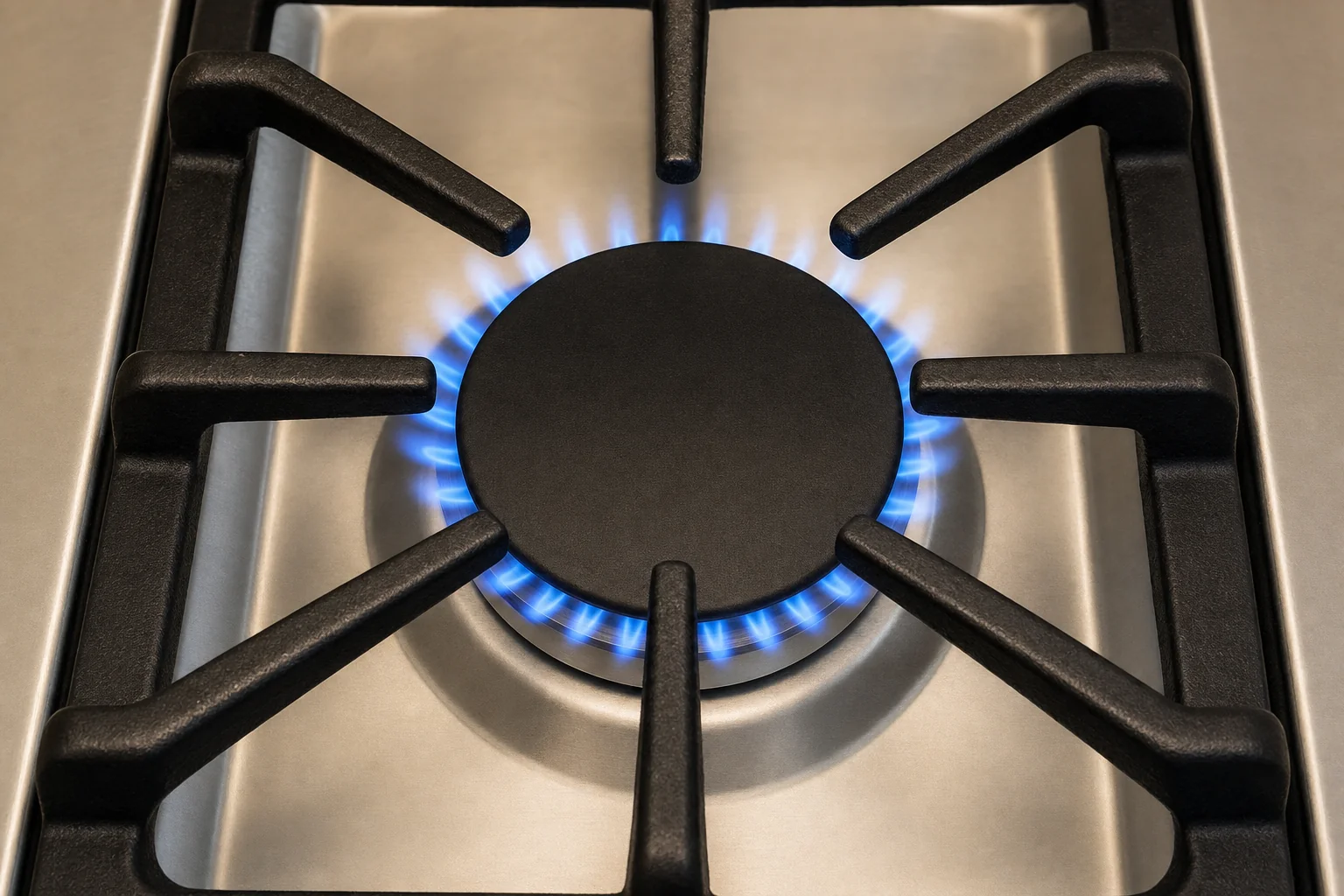
- A yellow or orange flame on a cooktop or heater instead of a crisp blue one
- Sooty, brown or black marks on or around a gas appliance
- A pilot light that keeps blowing out or will not stay lit
- Headaches, nausea, dizziness or drowsiness indoors that ease when you go outside
The flame colour test
A healthy gas flame burns a clean, crisp blue. A lazy yellow or orange flame can mean the appliance is not burning the gas completely, which needs a licensed gas fitter to check, not a wait-and-see.
What to do right now if you smell gas
If you can smell gas, act straight away and in this order. Do not stop to investigate the source yourself.
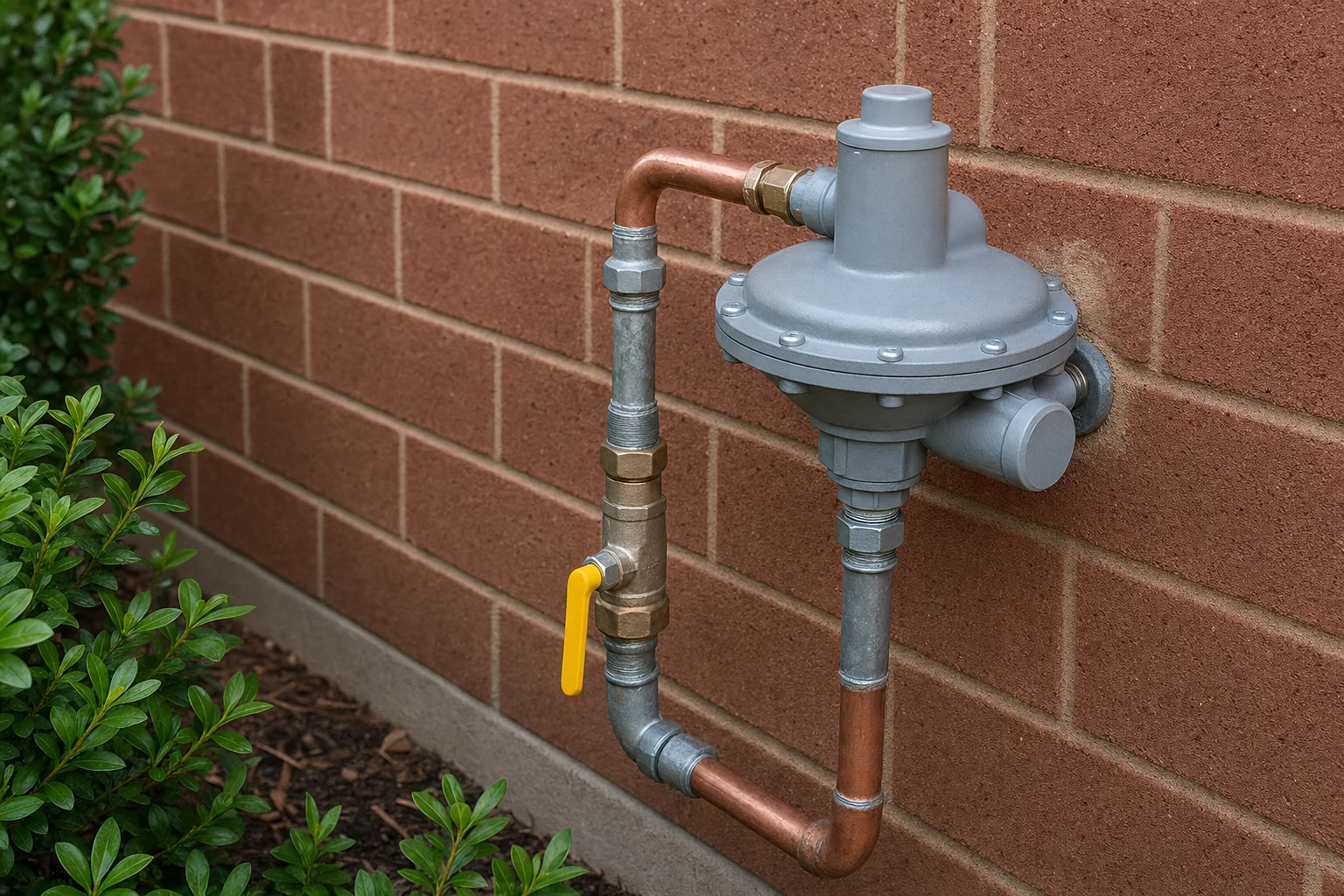
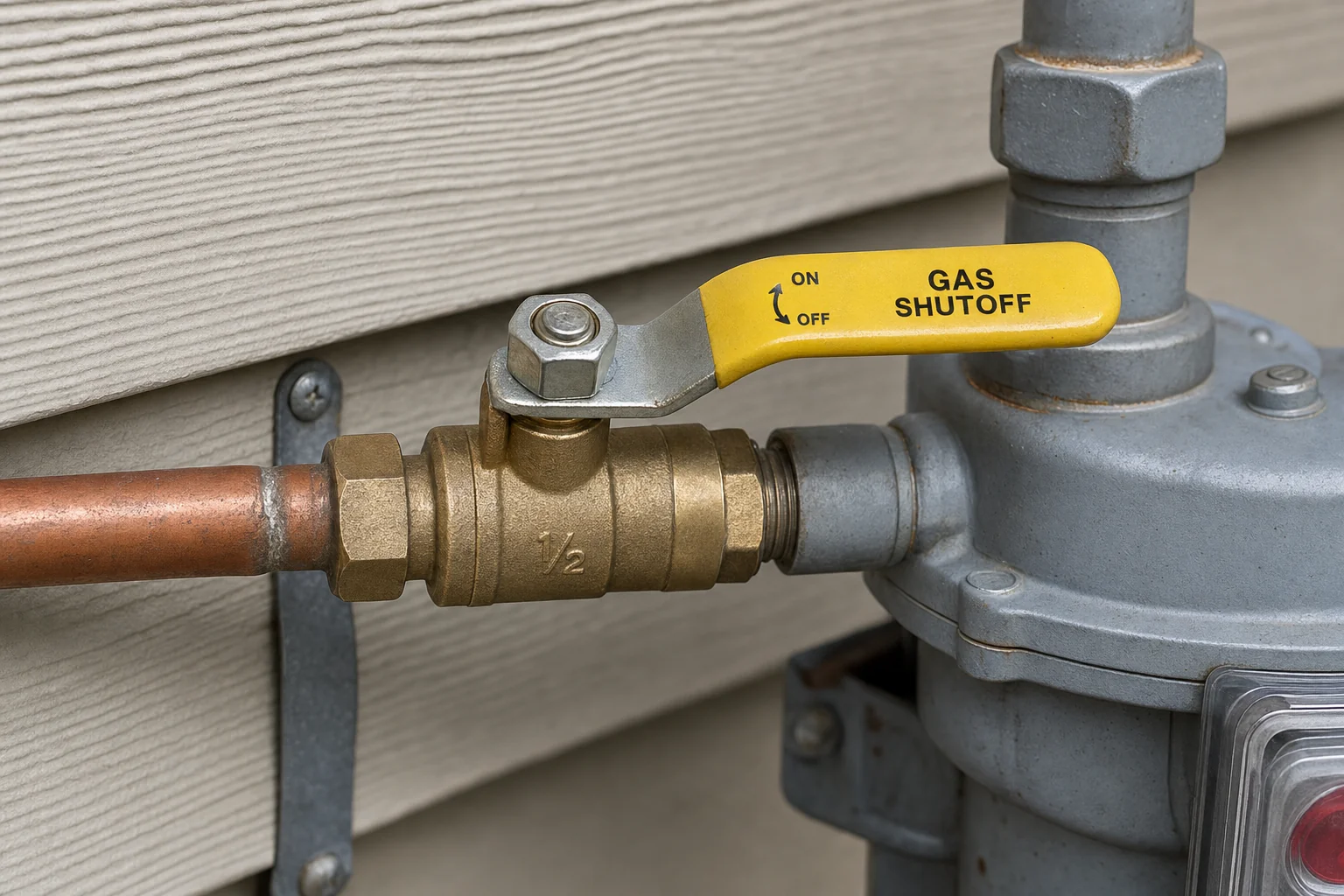
- Turn the gas off at the meter if you can reach it safely
- Open doors and windows to let the gas clear
- Do not touch anything that could spark: no light switches, no appliances, no phones inside
- Put out any naked flames and do not light anything
- Get everyone outside into fresh air
- From outside, call a licensed gas fitter or your gas emergency line
Why the no-sparks rule matters
Gas needs an ignition source to be dangerous. A light switch, a fridge kicking on or even a phone can be enough, which is why the rule is to ventilate and get out, not to flick switches or investigate indoors.
Why gas work is a licensed job
Gas fitting is licensed work for good reason. A connection that looks fine but is not done to standard can leak slowly for months, or burn incompletely and produce carbon monoxide.
Ben is a licensed gas fitter (GF015145), which covers gas connections, pipework, appliance installs, leak detection and safety checks, all carried out to Australian standards.
Never DIY a gas job
Connecting a cooktop or a gas heater yourself is illegal and dangerous. It is not worth the risk to your home or your family, and it can void your insurance if something goes wrong.
Keeping gas appliances safe
A few simple habits keep a gas home safe between services.
- Check your cooktop flames are burning blue, not yellow
- Keep the area around gas appliances clear and well ventilated
- Have gas heaters checked before winter, especially older ones
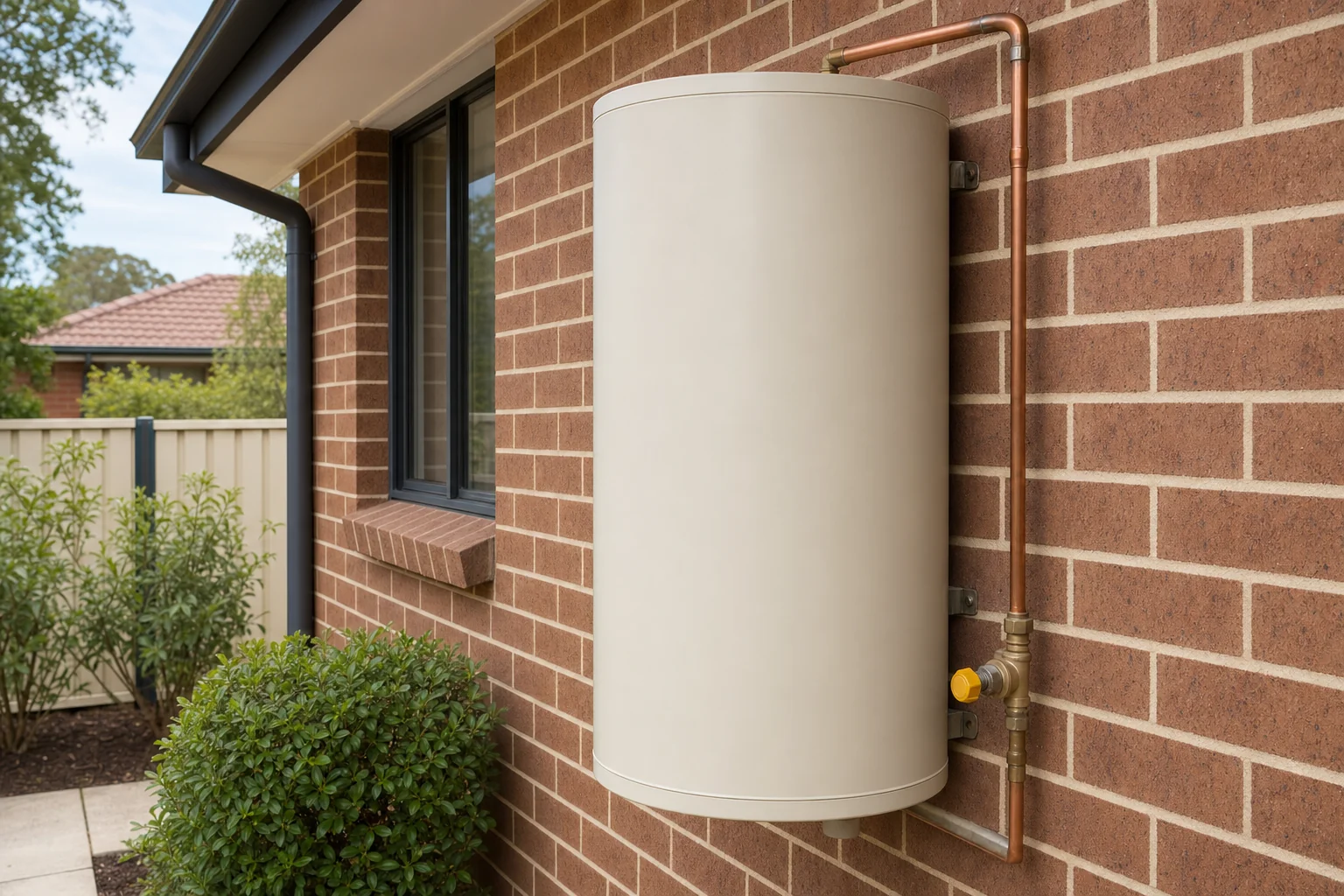
- Never block the vents on a gas heater or hot water unit
- If in doubt about any gas appliance, have a licensed gas fitter check it
Frequently asked questions
Like rotten eggs or sulphur. Natural gas has no smell of its own, so that odour is added deliberately so leaks are easy to notice. If you can smell it, treat it as a leak and act straight away.
No. Gas work must be done by a licensed gas fitter. Connecting or repairing a gas appliance yourself is illegal, dangerous and can void your insurance. Call a licensed gas fitter for anything gas-related.
A yellow or orange flame instead of blue can mean the appliance is not burning the gas completely. Stop using it and have a licensed gas fitter check it, rather than leaving it running.