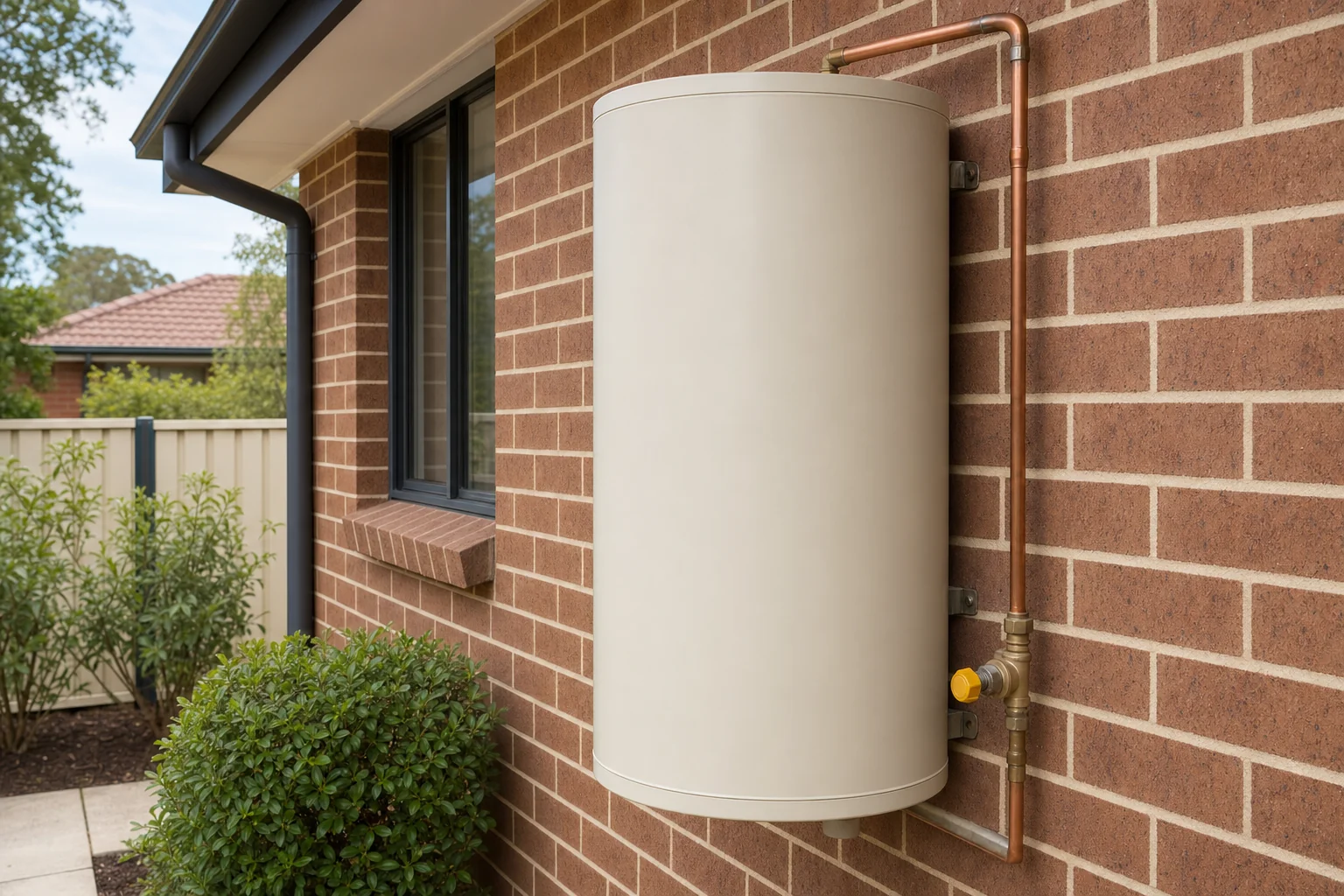
Whether to repair or replace a hot water system comes down to its age, the fault and the type. A unit past 10 to 12 years with a major fault is usually better replaced, while a younger system with a failed part is often worth fixing. Choosing between gas, electric and solar depends on your connections, household size and how much hot water you use.
Summarise this with AI
- Most storage systems last around 10 to 12 years
- A failed part on a younger unit is usually worth repairing
- A leaking tank means replacement, not repair
- Gas suits households that use a lot of hot water; electric suits smaller homes
- Solar and heat pump cost more upfront but cut running costs
- Sizing the system to your household avoids running out or overspending
Cold showers have a way of forcing a quick decision, and that is exactly when people tend to overspend. A bit of context beforehand makes the repair-or-replace call a lot easier.
The honest answer depends on three things: how old the system is, what has actually failed, and the type of unit you have. Here is how we work through it.
First, how old is the system?
Age is the single biggest factor. Most storage hot water systems last somewhere around 10 to 12 years, depending on the water and how hard the household runs it.
If a unit is under about eight years old and a single part has failed, repairing it is usually the smart spend. Once a system is past 10 or 12 years, a major repair is often throwing good money at a unit that is near the end anyway.
Find the age fast
Most systems have a compliance plate or a date stamp on the side. If you can read the manufacture date, you already know most of what you need to make the call.
What has actually failed?
Not every hot water fault means a new system. Plenty are a single, replaceable part, and on a reasonably young unit that is a straightforward repair.
Usually worth repairing
- A failed thermostat or heating element on an electric system
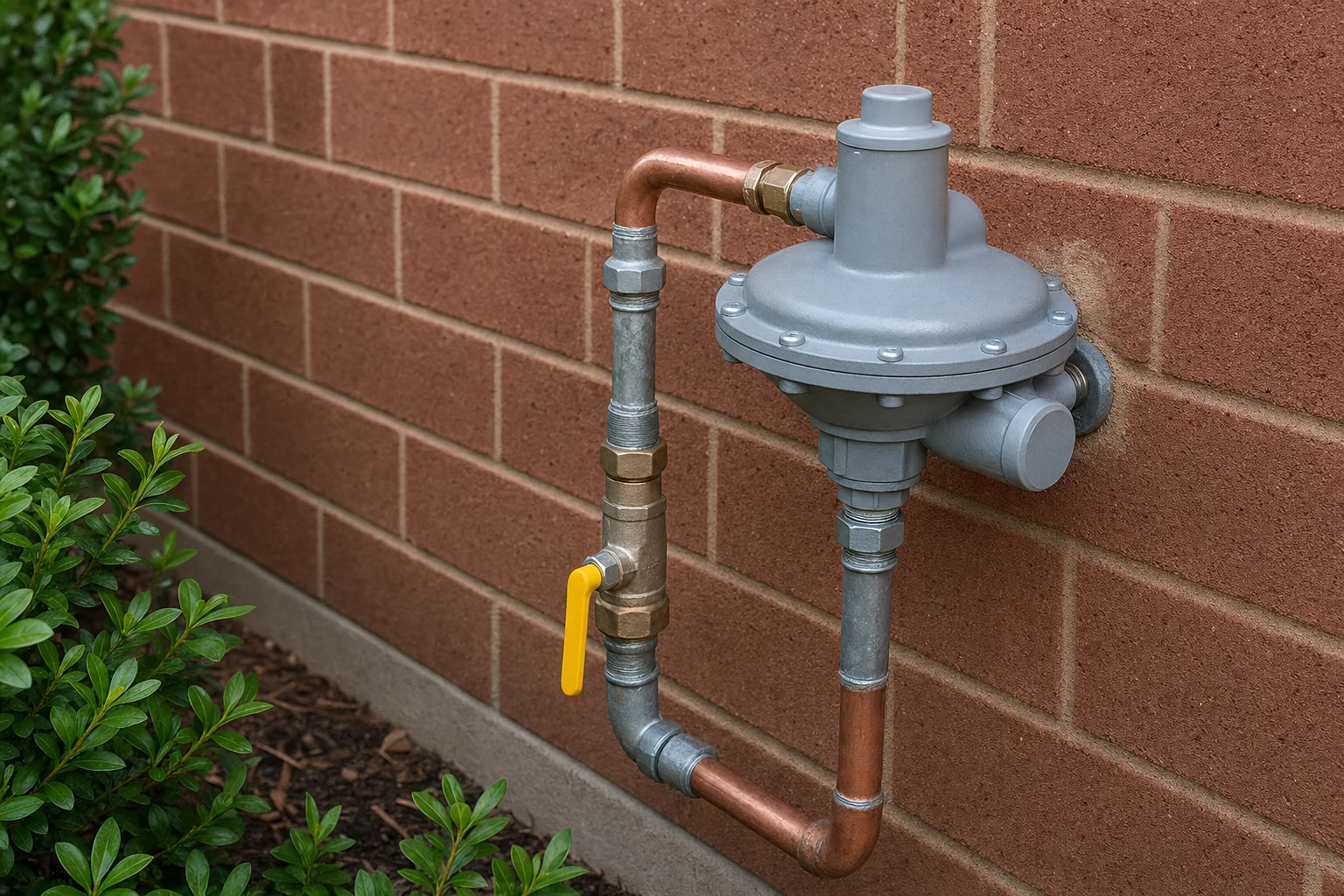
- A faulty thermocouple or gas valve on a gas unit
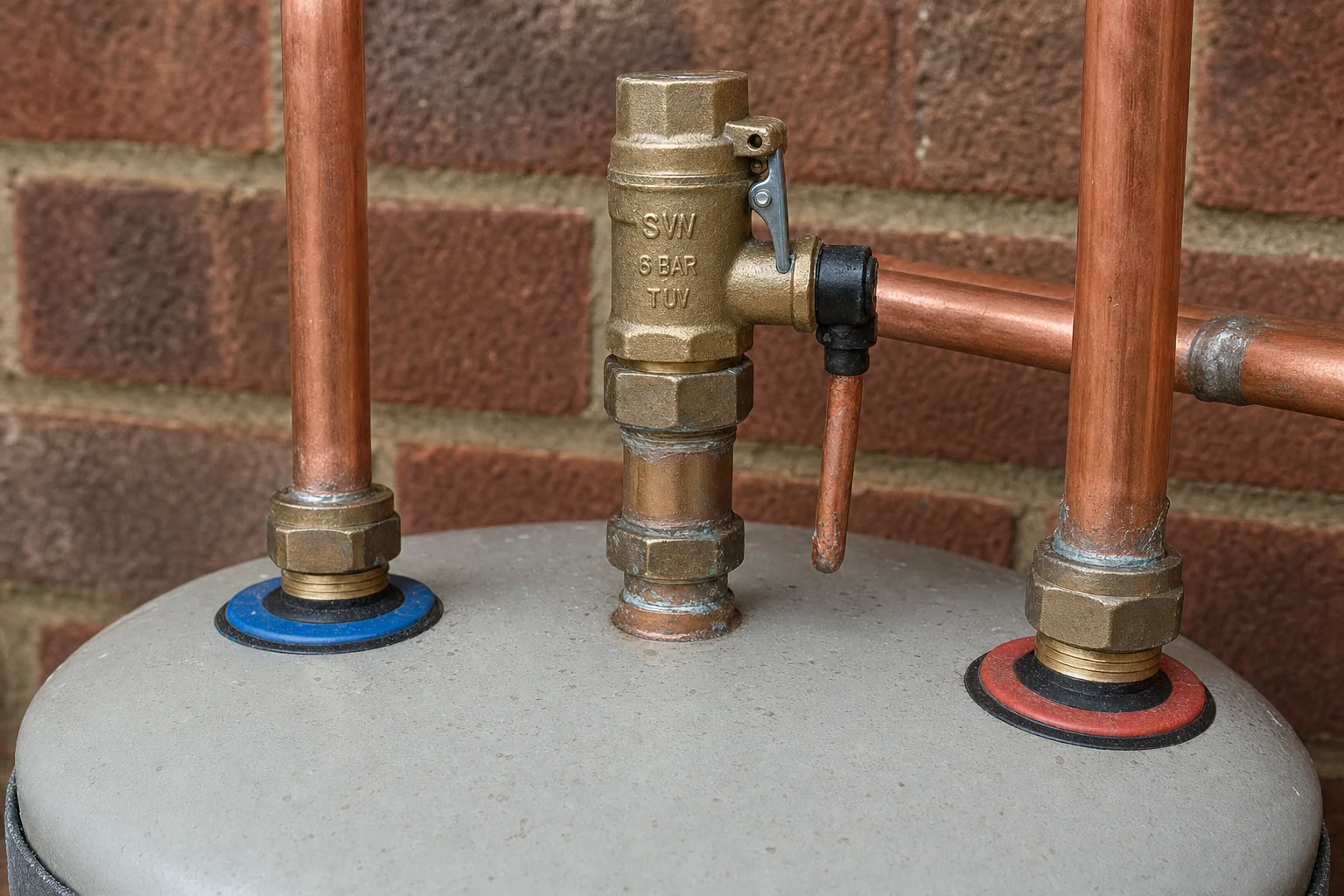
- A blown pressure and temperature relief valve
- A pilot light that will not stay lit
Usually means replacement
- A tank leaking from the body, where the seams have gone
- Heavy internal corrosion or rusty hot water at the tap
- A system well past 12 years with any major fault
A leaking tank is not repairable
If the tank itself is leaking rather than a fitting or valve, that is the end of the unit. Water is escaping through corroded steel, and no repair brings that back.
Gas, electric or solar: choosing a replacement
If it is time for a new system, the right type depends on your home's connections, your household size and how much hot water you actually use.
Gas storage or continuous flow
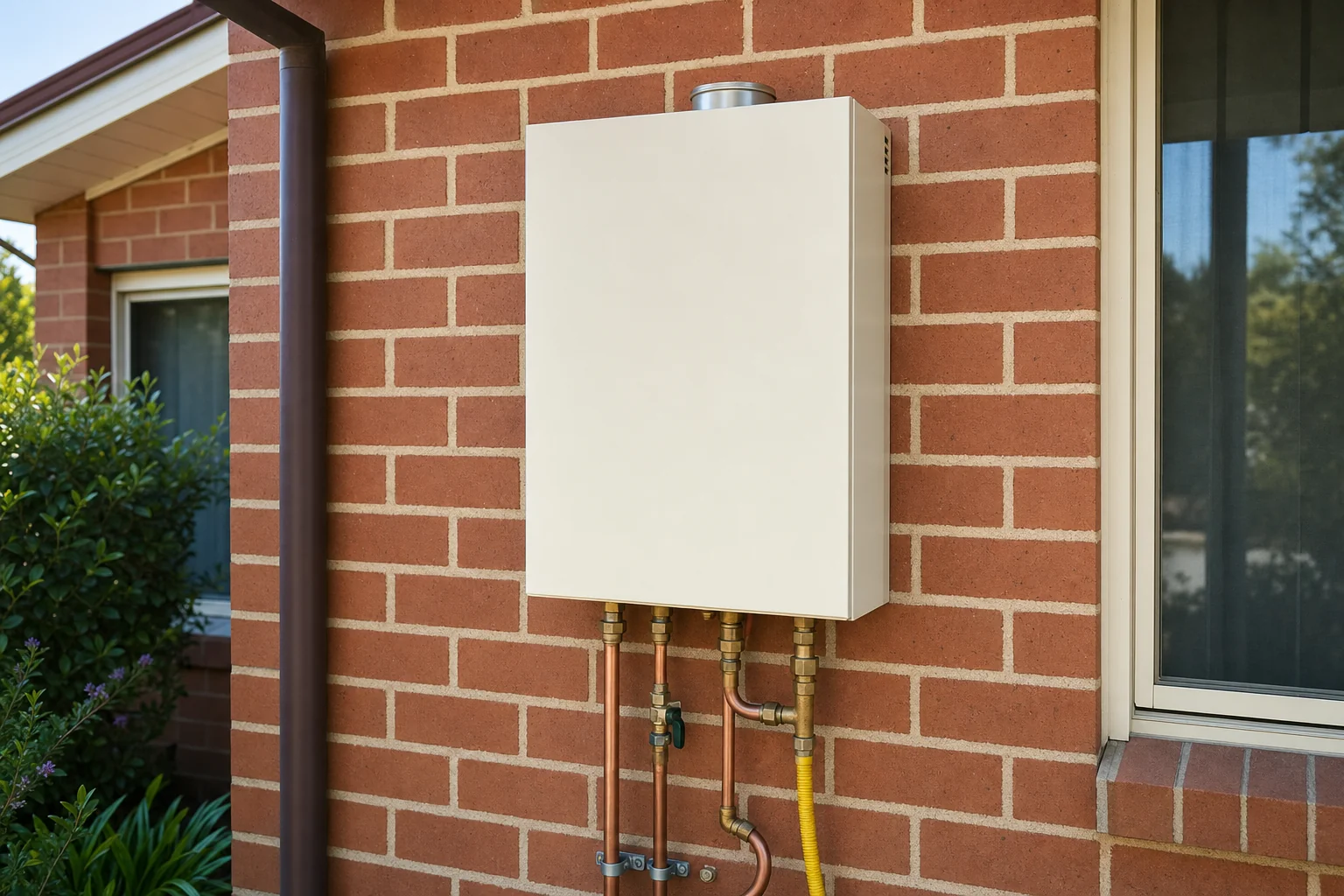
Gas suits households that use a lot of hot water. Continuous flow gas heats on demand so you do not run out, which works well for busy family homes with several bathrooms.
Electric storage
Electric is often the simplest and cheapest to install, and it suits smaller homes and units. Running it on a controlled off-peak tariff keeps the cost down.
Solar and heat pump
Solar and heat pump systems cost more upfront but cut running costs over time. In Perth's climate a solar system does plenty of the work for free, which pays off across the years you own it.
Sizing matters as much as type
A system too small for the household means cold showers; too big means paying to heat water you never use. We size the replacement to how many people are in the home and how you use hot water, so you get it right the first time.
The honest recommendation
When Ben looks at a hot water system, the advice is straightforward: if a repair genuinely gets you good years out of a unit, that is what we recommend. If it is near the end and about to cost you again, we will say so rather than sell you a repair that fails in six months.
No hot water jobs get priority, and you get an upfront price on either path so you can make the call with the full picture.
Frequently asked questions
Most storage systems last around 10 to 12 years. Continuous flow gas units can go longer. Water quality, the tariff and how hard the household runs it all affect the real lifespan.
If it is under about eight years old and one part has failed, usually yes. Past 10 to 12 years, a major repair is often money better put toward a replacement that will not fail again soon.
Over time, solar and heat pump systems have the lowest running costs, though they cost more to install. Electric on an off-peak tariff is cheap to run for smaller households. The best value depends on your home and how much hot water you use.